
February 25, 2025
During the long pandemic, I heard horror stories from nurses in the Covid-19 wards, which sounded like Hollywood dystopias. To avoid depression and cynicism, I began writing ecotopian novels combining my love of urban/environmental planning, fiction, and technology. My sixteen “Virtually San Francisco” and “SF Japantown Tales” novels were written as urban fairytales inspired by people I met co-launching my tech startups in virtual/augmented (VR/AR) reality, AI, blockchain, cryptocurrencies, and other exponential technologies. See my Publications: https://dreamscapeglobal.com/publications/
My latest novel, “Bio Fashionistas,” about regenerative fashion to create new green jobs in SF. https://www.amazon.com/Bio-Fashionistas-Revitalizing-Francisco-Regenerative/dp/B0FB3G5X2L
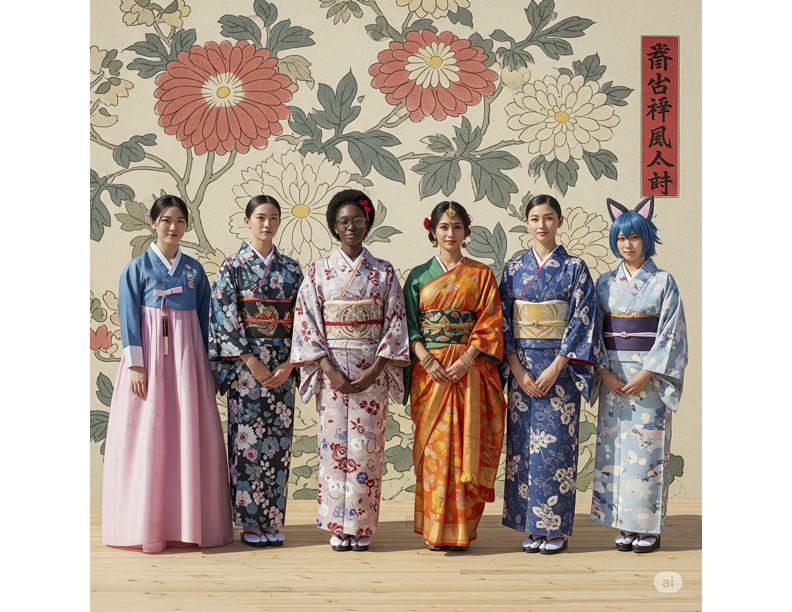
For years, I felt lost in the literary woods, feeling split between Silicon Valley technologies and San Francisco’s Beat poets and novelists, Cyberpunk science fiction, Asian American literature, Hollywood dystopias, and Solarpunk ecotopian visions. Recently, I realized that I’m a hybrid writer forging a new literary genre — Gaiapunk — which is like Solarpunk, but much more practical, entrepreneurial, and hands-on like me. It reflects my deep concerns about climate change and the future of our planet as an urban/environmental planner. SolarPunk focuses on bioregional environmental issues; Gaiapunk expands its focus to broader, long-term GLOBAL environmental and climate changes. My novels aim to capture the anxieties, hopes, and dreams of people whom I meet and the infinite possibilities for designing more beautiful ecotopias.
My first ten “Virtually San Francisco” novels explore how SF Mayor Tiffany-Wong Gonzalez, a Mission gamer, former Navy fighter pilot, and Stanford computer science grad, promotes exponential technologies to train K-12 students for emerging careers in affordable housing, climate action, fashion, medicine, music, entertainment, history, urban cultural revitalization, and space travel. She is my idea of the perfect mayor for SF, which is a tech capital seeking new green jobs and industries to escape our long “Doom Loop.” She appears in all of my novels, including my six “SF Japantown Tales,” which focus on urban cultural revitalization, as the City is promoting today.
What is “Gaiapunk”? What are its main literary characteristics?
- Like Solarpunk, Gaia Punk imagines ecotopias where people create beautiful cities and lives. Ernest Callenbach’s “Ecotopia” (1975) and “Ecotopia Emerging” (1981), written after Earth Day 1970 during the rise of the environmental movement, described the succession of ecotopian cities in Northern California from the United States. The term Solarpunk boomed after 1990 when Audio Renaissance released a partial dramatization of Ecotopia on audiocassettes, which was a sharp contrast from Hollywood dystopias like “Blade Runner” (1982).
- Like Cyberpunk, Gaia Punk imagines how technologies can be used for good or evil and how they affect how people interact. William Gibson’s “Neuromancer” (1984) envisioned a near-future dystopia and Neal Stephenson’s “Snow Crash” (1992) described a global economic collapse, creating the genre during the PC boom, nuclear arms race, post-Cold War recession, and Internet boom.
What are the major differences between Solarpunk and Gaiapunk?
- Fans: Solarpunk has been led by white writers and fans; Gaiapunk includes non-whites.
- Regions: Solarpunk reflects the Global North; Gaiapunk adds the Global South.
- Themes: Solarpunk focuses on ecotopias; Gaiapunk imagines Gaiapolises (see my “Gaiapolis Strategy” on homepage).
- Technologies: Solarpunk features Web 2.0 social media; Gaiapunk adds AI, VR/AR, cryptos, blockchain, quantum, and other new exponential technologies.
- Focus: Solarpunk is artist-centric and passive viewing; Gaiapunk is global, audience-centric, immersive, interactive, proactive, participatory, and inclusive.
- Mindset: Solarpunk reflects past futurism; Gaiapunk is emergent, spontaneous, and VUCA (Volatility, Uncertainty, Chaos, and Ambiguity), emphasizing sentience, global awareness and consciousness, authenticity, community, sharing, and caring.
- Equity: Solarpunk is tech-centric elitism; Gaiapunk emphasizes people over profits, human rights to food, housing, education, healthcare and freedom for all (Bernie’s strategy)
- Action: Solarpunk focuses on ideas; Gaiapunk emphasizes action, metric, and results — WALK, not just TALK. Gaiapunk is like urban planning where we build real cities, turning dystopias into ecotopias and gaiapolises.
As an urban/environmental planner, I write Gaiapunk novels to show how regenerative cities can realistically be built to reduce climate change. My literary model is Dante’s “Divine Comedy,” where Virgil guides Dante from a hellish “Inferno” through the harsh political and climate disasters of “Purgatory” to a utopian “Paradiso.” In many ways, I’ve learned that urban/environmental planning and climate action are like that long, grueling hero’s journey facing enormous opposition and pitfalls.
In 2022, to test my planning ideas, I wrote “Gaiapolis Strategy,” a non-fiction planning book, followed by my “Gaiapolis” novel as tools to explore the harsh climate and political realities of building happy, healthy, safe, and prosperous Gaiapolis cities, towns, and bioregions. But remote work emptied San Francisco and other cities, which are now struggling to reimagine and revive their “ghost city” downtowns. I started with local, went to global climate, and now back to local urban revitalization since Covid-19.
Since 2022, I’ve written six “SF Japantown Tales” novels (see my Publications) to explore down-to-earth, practical ways to revitalize Japantown culturally with local artists, which the City is promoting along with six other cultural districts. To dispel gloom and doom thinking, I decided on family comedy novels inspired by the “Full House” TV series and Junichiro Tanizaki’s “The Makioka Sisters” since my family runs a kimono shop, Nichi Bei Bussan, in San Jose Japantown, which my grandfather opened in 1902 near the SF Chinatown gate before the 1906 earthquake destroyed downtown (see our History at NBstore.com). Needless to say, I worry about pandemics, market crashes, and disasters in my novels since they frequently happen, often worse than my novels, such as the 2022 East Bay wildfires that turned skies in the Bay Area bright orange like my earlier “Divinely San Francisco” novel. But as a planner, I am hopeful since we can rebuild and beautify our cities and communities if we collaborate and share.
Today, we all live in a modern version of Dante’s hell, purgatory, and heaven so our literature should reflect it, but with optimism and action, not just cynicism and despair. I invite you to check out my novels, write reviews on Amazon, and let me know what you think and future novels you would like to read! Let’s reimagine and rebuild our cities together!
Sheridan Tatsuno, sheridan@dreamscapeglobal.com

 Dreamscaping Your AI Multiverse